Moving Large Appliances in Los Angeles: Complete Guide with Liftgate Equipment
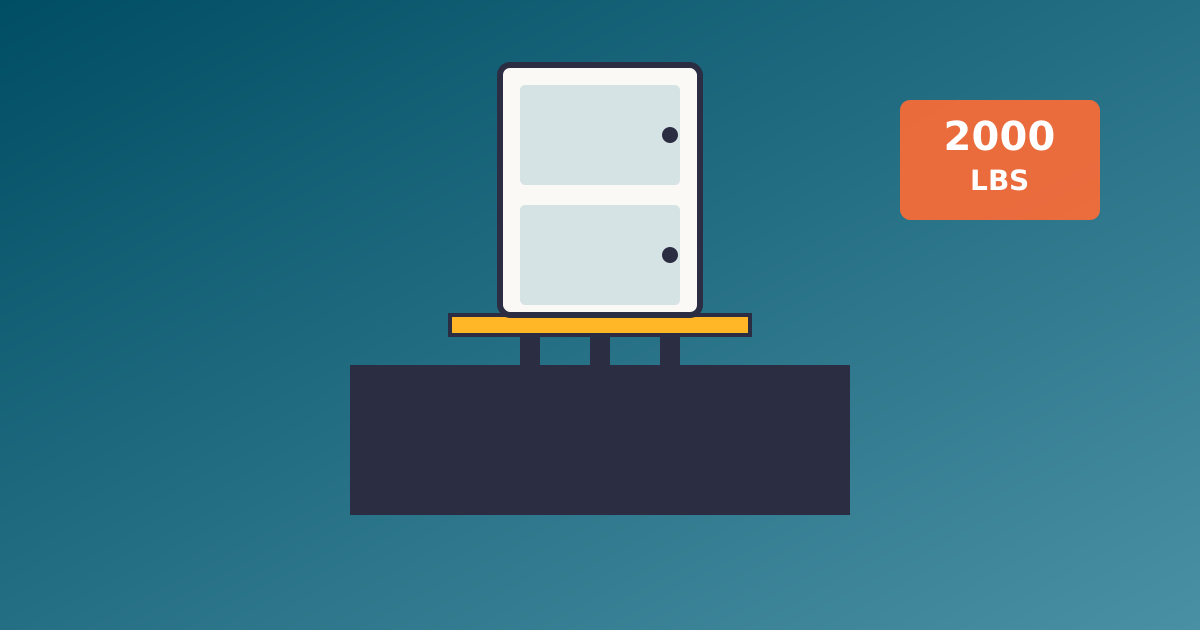
Moving large appliances like refrigerators, washers, and dryers in Los Angeles presents unique challenges—from navigating multi-story apartment buildings to protecting yourself from serious back injuries. According to the Bureau of Labor Statistics, more than one million workers suffer back injuries each year, with one in every five workplace injuries involving the back. When it comes to moving appliances that weigh 150-300 pounds, the risks multiply dramatically without proper equipment and techniques.
This comprehensive guide covers everything you need to know about safely moving large appliances in Los Angeles, with a focus on why hydraulic liftgate equipment is essential for protecting both your belongings and your health.
Understanding Large Appliance Weights
Before attempting to move any large appliance, it's crucial to understand exactly what you're dealing with in terms of weight and dimensions:
Refrigerators
Refrigerators are among the heaviest household appliances, typically weighing hundreds of pounds even when empty. Standard residential refrigerators can range from 200 to 400+ pounds depending on size and features. French-door models with bottom freezers tend to be the heaviest, while compact refrigerators may weigh as little as 100 pounds.
Washing Machines
On average, washing machines weigh 170 pounds, according to industry data. However, this varies significantly:
- Small-load washers: As little as 99 pounds
- Standard top-load washers: 150-200 pounds
- Front-load washers: 200-300 pounds (heavier due to additional components)
- Extra-large capacity washers: Up to 300 pounds
Dryers
Dryers are generally lighter than washers but still substantial. The average dryer weighs 124 pounds, with standard models ranging from 100-170 pounds. Electric dryers tend to be lighter than gas dryers due to the additional components required for gas connections.
⚠️ Safety Warning
Never attempt to move washers, dryers, or refrigerators by yourself. The awkward dimensions, weight distribution, and risk of tipping make these appliances extremely dangerous to handle without proper equipment and at least two people.
The Real Cost of DIY Appliance Moving
The statistics around moving-related injuries are sobering. According to OSHA (Occupational Safety and Health Administration):
- More than 1 million workers suffer back injuries annually in the United States
- Back injuries account for 1 in 5 workplace injuries or illnesses
- Manual materials handling is the principal source of compensable injuries in the American workforce
- 4 out of 5 of these injuries affect the lower back
- $635 billion per year in lost productivity and medical expenses from back disorders
OSHA research shows that lifting below knee height or above shoulder height is significantly more strenuous than lifting between these lines—exactly the positions required when loading heavy appliances onto trucks without proper equipment.
Back disorders result from reaching while lifting, poor posture, stressful activities, bad body mechanics, and poor physical condition. At least one-third of compensable back injuries could be prevented through better job design and ergonomic improvements—which is exactly what hydraulic liftgate equipment provides.
Why Hydraulic Liftgate Equipment is Essential
A hydraulic liftgate is a powered platform mounted to the rear of a truck that uses hydraulic pressure to lift and lower cargo between ground level and the truck bed. For appliance moving, this equipment is a game-changer.
Key Benefits of Liftgate Equipment:
- Eliminates dangerous lifting: No need to manually lift 200-300 pound appliances into a truck bed
- Capacity for heavy items: Professional liftgates can handle 1,000-2,000 lbs, perfect for any residential appliance
- Reduces injury risk: OSHA recommends mechanical aids like liftgates as engineering controls to prevent back injuries
- Protects your appliances: Smooth, controlled lifting prevents drops and sudden movements that can damage sensitive components
- Saves time: Loading a refrigerator onto a liftgate takes minutes versus the struggle of manual loading
- Works in tight spaces: Essential for Los Angeles apartment buildings with limited loading zones
Box trucks with liftgates are specifically designed for this purpose. According to industry experts, loading capacities of 1,000 lbs are perfect for almost any home-sized appliances and even smaller commercial-sized equipment.
How to Prepare Your Appliances for Moving
Proper preparation is crucial for a safe and successful appliance move. Start at least one to two weeks ahead to schedule disconnections, gather supplies, and follow manufacturer guidance without stress.
Refrigerator Preparation:
- Empty completely: Remove all food, beverages, and ice to reduce weight and prevent spills
- Defrost the freezer: Allow 6-8 hours for complete defrosting (refer to your owner's manual)
- Clean and dry: Thoroughly clean interior and exterior surfaces and ensure everything is completely dry to prevent mold or mildew
- Secure doors and shelves: Use stretch tape or bungee cords to keep doors closed; remove or secure internal shelving
- Keep upright: Never tip a refrigerator on its side—this can damage the compressor
Washing Machine Preparation:
- Disconnect water supply: Turn off water valves and disconnect inlet hoses
- Drain completely: Run a short spin cycle to remove water, then use a drain hose to empty remaining water
- Reinstall shipping bolts: If possible, reinstall the shipping bolts that came with the machine to stabilize the drum during transport
- Clean the drum: Fill with hot water and bleach, let soak for an hour, then run a full wash cycle
- Secure the power cord: Shut off power at the breaker, unplug the unit, and tape the cord to the back
Dryer Preparation:
- Disconnect power: Turn off at the breaker and unplug (tape cord to back of unit)
- Gas dryers require professional disconnection: If you have a gas dryer, contact a professional appliance technician to disconnect and reconnect gas lines—this can be complicated and poses serious safety risks
- Disconnect vent hose: Remove the dryer vent hose from both the dryer and wall
- Clean lint trap and vent: Remove all lint for safety
- Secure drum: Some models have shipping materials or drum locks—check your manual
💡 Pro Tip
Take photos before disconnecting any appliance, especially washers and dryers. This visual reference makes reconnection much easier at your new location.
Los Angeles Apartment Moving Regulations
Moving large appliances in Los Angeles comes with unique challenges, particularly if you're in a multi-story apartment or condo building.
Building Requirements:
- Move-in/move-out rules: High-rises and apartment buildings often have specific time restrictions and require advance notice (typically 2+ weeks)
- Elevator reservations: Essential for high-rise buildings—you may need to reserve the service elevator days in advance
- Certificate of insurance (COI): Many buildings require proof of insurance from your moving company
- Parking permits: In busy LA neighborhoods, you may need parking permits for the moving truck
- Noise regulations: Some neighborhoods have strict quiet hours—if moving early or late, verify when loud work is permitted
Always speak to your building manager at least two weeks before moving day to secure required approvals, documentation, and understand any building-specific rules.
HOA Communities:
Homeowners Association communities may have additional restrictions on moving days, truck parking locations, and hours of operation. Review your HOA bylaws or contact management before scheduling your move.
Essential Moving Equipment Beyond the Liftgate
While a hydraulic liftgate is the most critical piece of equipment for safely loading appliances, professional movers also use:
- Appliance dollies: Heavy-duty dollies with built-in straps designed specifically for refrigerators and washers
- Lifting straps and harnesses: Distribute weight evenly across the body to reduce injury risk
- Moving blankets: Protect appliance surfaces from scratches and dents during transport
- Stretch wrap and tape: Secure doors, cords, and moving blankets in place
- Furniture sliders: Help maneuver heavy appliances across floors without damage
- Stair-climbing dollies: Specialized equipment for navigating stairs (though liftgates eliminate this need for truck loading)
Professional moving services include all this equipment as standard, ensuring safe transport from start to finish.
When to Hire Professional Movers
The simplest and safest method for moving appliances—especially very heavy ones—is to hire professional movers who are trained for the task. Here's when professional help is absolutely essential:
- Refrigerators over 200 lbs
- Any front-load washer (due to weight and complexity)
- Gas dryers (require professional gas line disconnection)
- Moving from/to second floor or higher without elevator access
- Tight staircases or doorways requiring appliance disassembly
- When you lack proper equipment (dolly, straps, liftgate truck)
- If you have any back or joint problems
- When building insurance/COI is required
Professional movers bring teams trained for heavy appliances who know how to pad, strap, and maneuver without scuffs or shocks to sensitive components. This expertise prevents costly damage to both the appliances and your property.
Related Reading
Want to learn more about safe moving practices? Check out these related articles:
Need Professional Appliance Moving in Los Angeles?
Locally Swift provides professional local moving services with hydraulic liftgate equipment capable of handling appliances up to 2,000 lbs. Our experienced team handles everything from refrigerators and washers to heavy commercial equipment—safely and efficiently.
Conclusion: Prioritize Safety and Equipment
Moving large appliances in Los Angeles doesn't have to be dangerous or stressful. The key is understanding the weights you're dealing with, the injury risks involved, and the critical importance of proper equipment—especially hydraulic liftgate trucks.
With over one million back injuries annually in the U.S. workforce and appliances weighing up to 300 pounds, attempting DIY moves without proper equipment is simply not worth the risk. Professional movers with liftgate-equipped trucks eliminate the most dangerous aspect of the move while providing expertise in navigating Los Angeles building regulations, tight spaces, and ensuring your valuable appliances arrive undamaged.
Whether you're moving a single refrigerator or outfitting an entire new home with appliances, investing in professional moving services with proper equipment protects your health, your property, and your peace of mind.
Key Takeaways:
- ✅ Appliances weigh 100-300+ lbs—never move them alone
- ✅ Hydraulic liftgates eliminate dangerous manual lifting into trucks
- ✅ Back injuries account for 1 in 5 workplace injuries annually
- ✅ Proper preparation (defrosting, draining, securing) is essential
- ✅ LA apartment buildings often require advance notice and COI
- ✅ Professional movers provide equipment, expertise, and insurance
Sources: Bureau of Labor Statistics, OSHA Technical Manual (Ergonomics), industry appliance weight data from major manufacturers, and Los Angeles building regulations research. All statistics current as of 2025-2026.